Cooling system failures in small road rollers during heavy-duty operations often lead to reduced efficiency and accelerated aging of engines/hydraulic components. This guide offers concise maintenance strategies to help operators resolve cooling problems promptly.
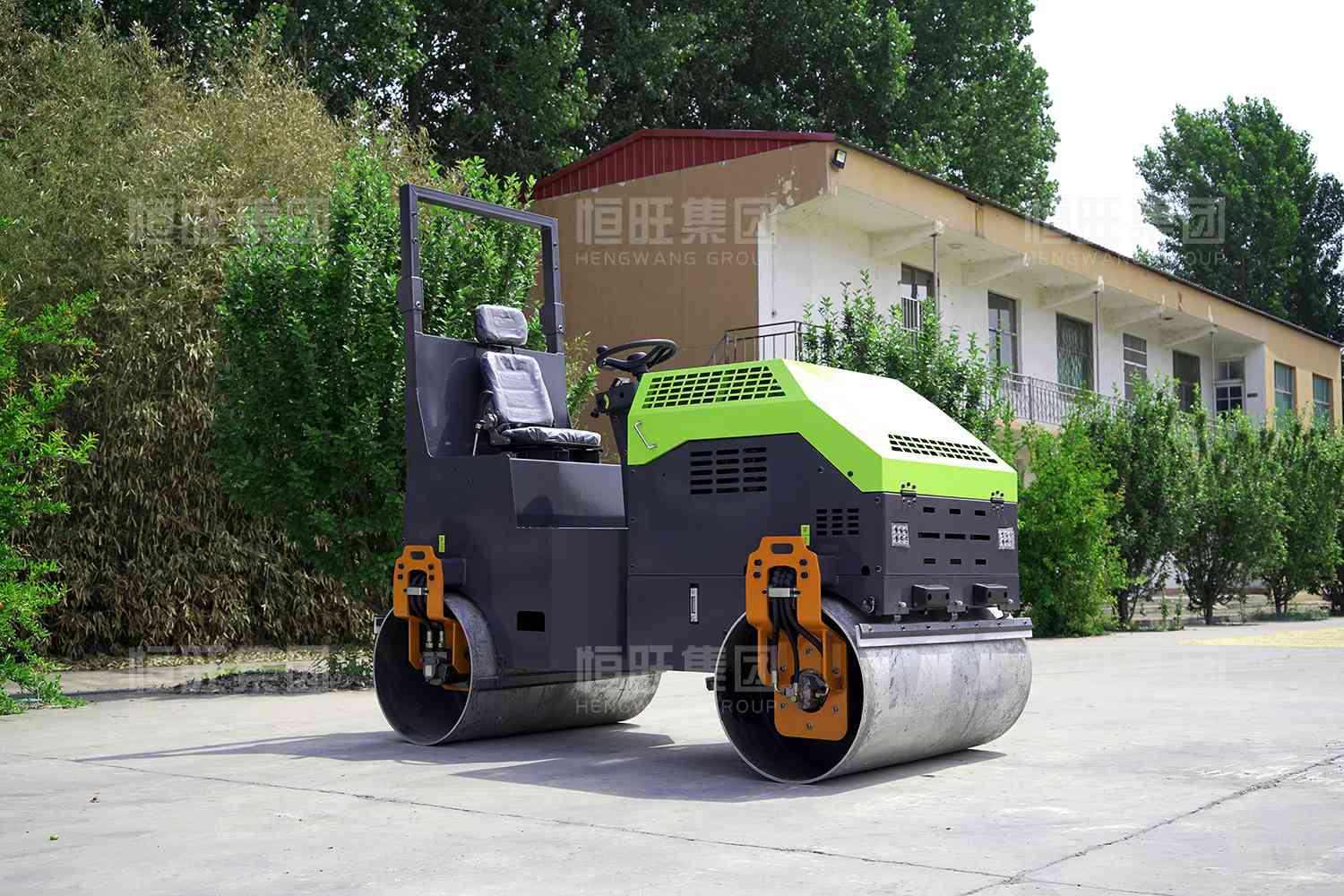
1. Core Risks of Cooling System Failure
Inadequate heat dissipation causes coolant overheating, reduces hydraulic oil lubricity, and exacerbates wear on components like gear pumps and cylinders. Prolonged high temperatures can significantly shorten the lifespan of key road roller parts.
2. Three-Step Troubleshooting for Cooling Failures
2.1 Basic Inspection
Upon water temperature alarm or power drop, stop the road roller immediately to check coolant level:
2.2 Deep Maintenance
If overheating persists after refilling:
2.3 Effect Verification
After maintenance, idle the road roller for 10 minutes and monitor water temperature (should stabilize within 80-95℃ per manual). Persistent low temperature signals a faulty thermostat needing inspection.
3. Preventive Maintenance Tips
4. Professional Repair Guidance
If issues persist (e.g., unusual noises, coolant loss), contact the manufacturer's technical support immediately. Specialists can pinpoint hidden faults (e.g., water pump wear, cylinder seal failure) via pressure testing/infrared thermometry, avoiding unnecessary disassembly.
Conclusion
Mastering the "inspect-maintain-verify" protocol alongside regular upkeep and proper operation prevents overheating in road rollers. For complex issues, prompt professional support minimizes downtime and extends equipment life.